Still Moving
Conversation
Conversation
A conversation with Hans Neumann
Eleven questions on memory, reconstruction, belonging, and the making of Still Moving.
01
Why did you make Still Moving?
For a long time, I knew I wanted to go back to Peru and photograph. I just didn’t know what form that work would take. Then the COVID-19 pandemic happened, and that return was postponed for several more years. When I was finally able to travel back regularly, something shifted. The more time I spent in Lima, the less interested I became in photographing the city as it exists today. Instead, I found myself thinking about the final years before I left – those moments that felt completely ordinary at the time but ended up shaping so much of who I became. By then, I had spent almost half my life living outside Peru.
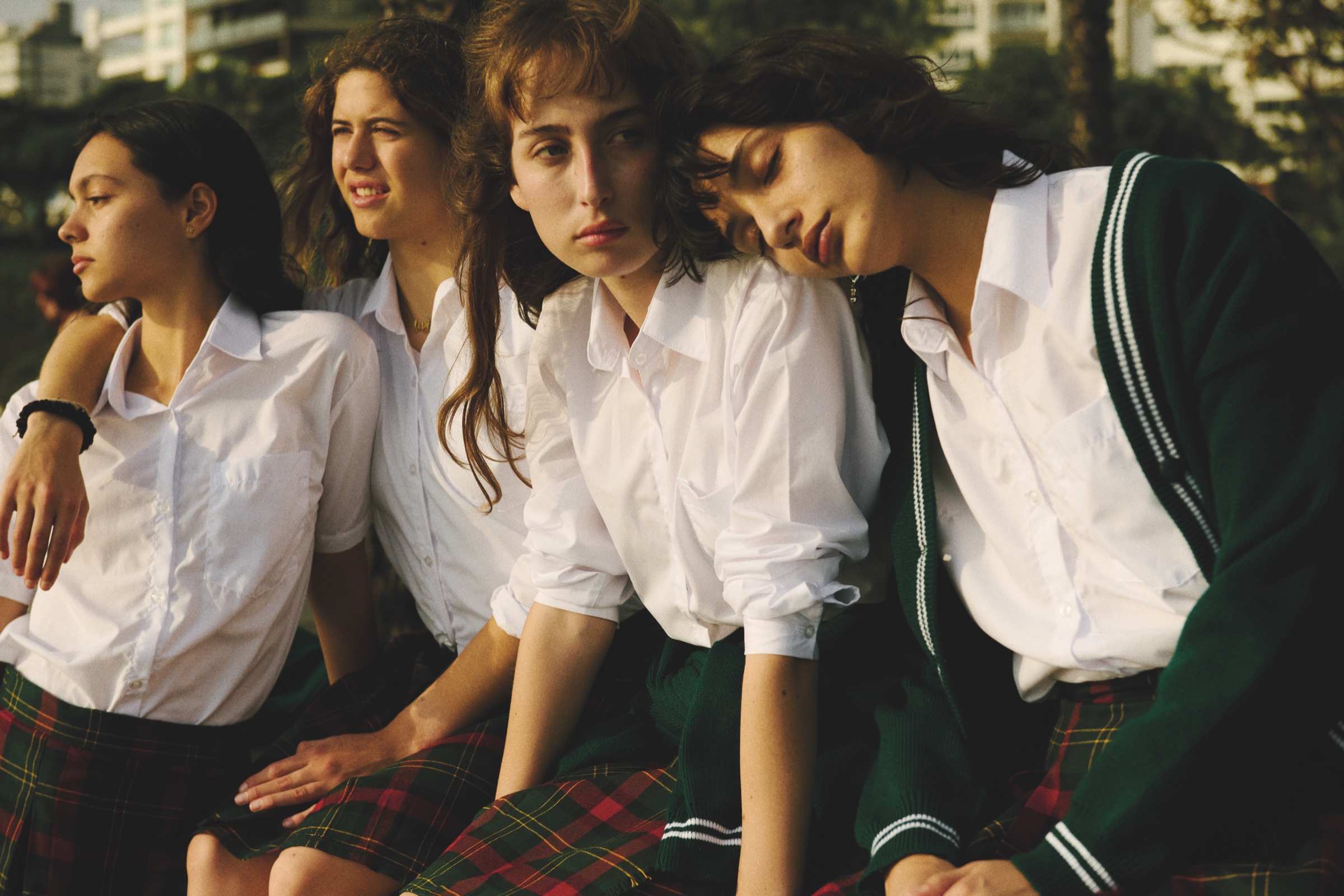
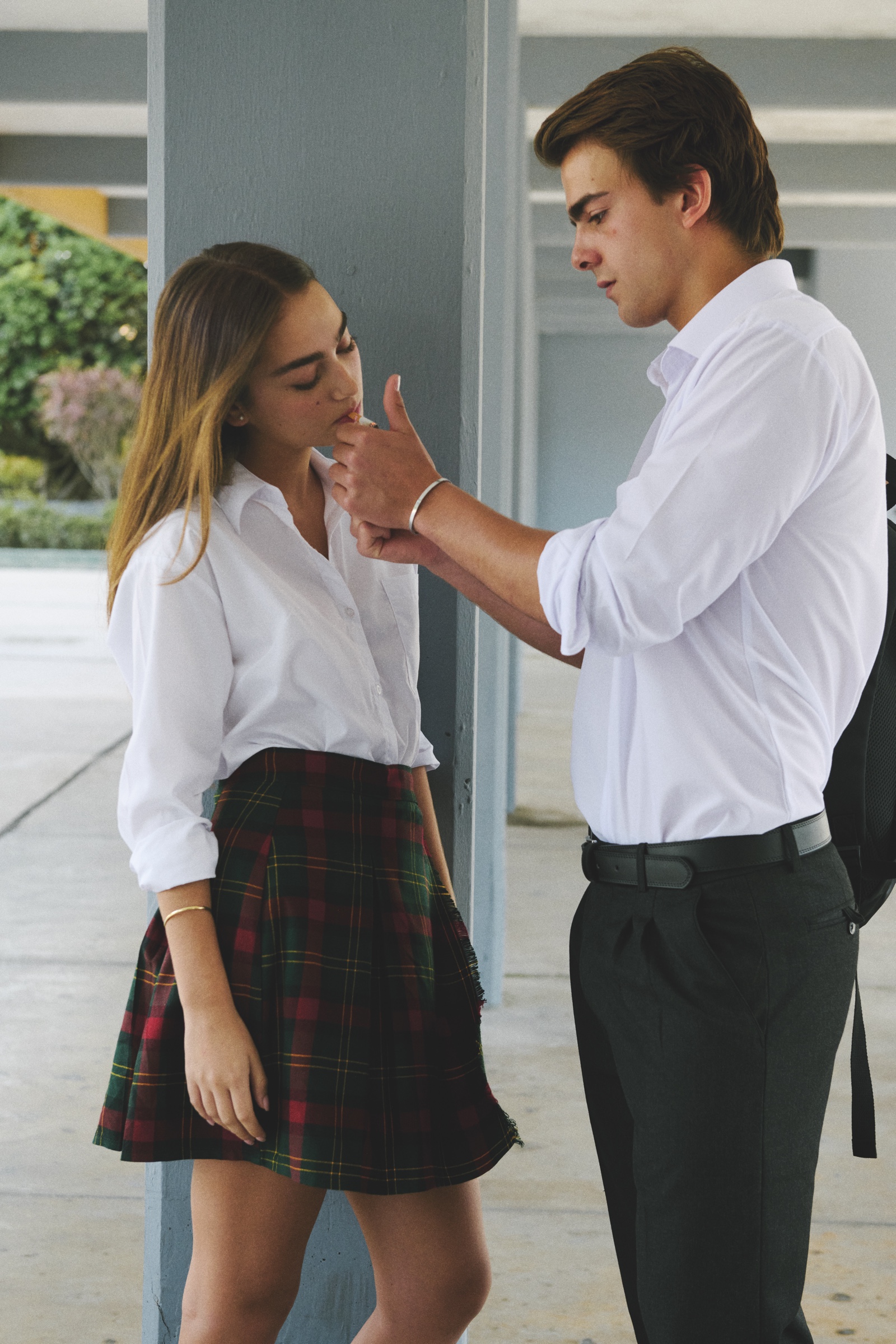
Returning wasn’t really about nostalgia or trying to recreate my past. It was about understanding my relationship with the place I had left and accepting that neither the city nor I were the same anymore. That’s when Still Moving began to take shape. Rather than documenting Lima, I wanted to reconstruct the emotional landscape of those last years before my departure through memory, imagination, and the people who live there today. The photographs aren’t about recreating events exactly as they happened, but about trying to recover the emotional truth of that period in my life.
In the end, I realized the project wasn’t about going back. It was about understanding what it means to return to a place that has continued without you.
02
Why did this project have to happen now, rather than ten or twenty years ago?
It’s not that I hadn’t returned before. I went back many times to visit my family. But those trips were different. I wasn’t looking at Peru as a photographer; I was simply going home. I think I needed time. Living away from Peru for more than twenty years changed the way I see the world, and eventually it changed the way I saw Peru too. When I returned, I wasn’t seeing the city through the eyes of the person who had left. I was seeing it with the perspective that comes from having lived somewhere else for so long. At the same time, Lima had changed. The city had moved on, just as I had.
That distance allowed me to look at it differently – not with nostalgia, but with curiosity. I wasn’t trying to recover the Peru I remembered. I was trying to understand my relationship with it today. For a long time, I was focused on the life I was building elsewhere. Eventually, it simply felt like the right moment to turn around and look back. I don’t think this project could have happened earlier because I needed that distance to understand what I was really trying to photograph.
03
Why reconstruct the past instead of documenting the present?
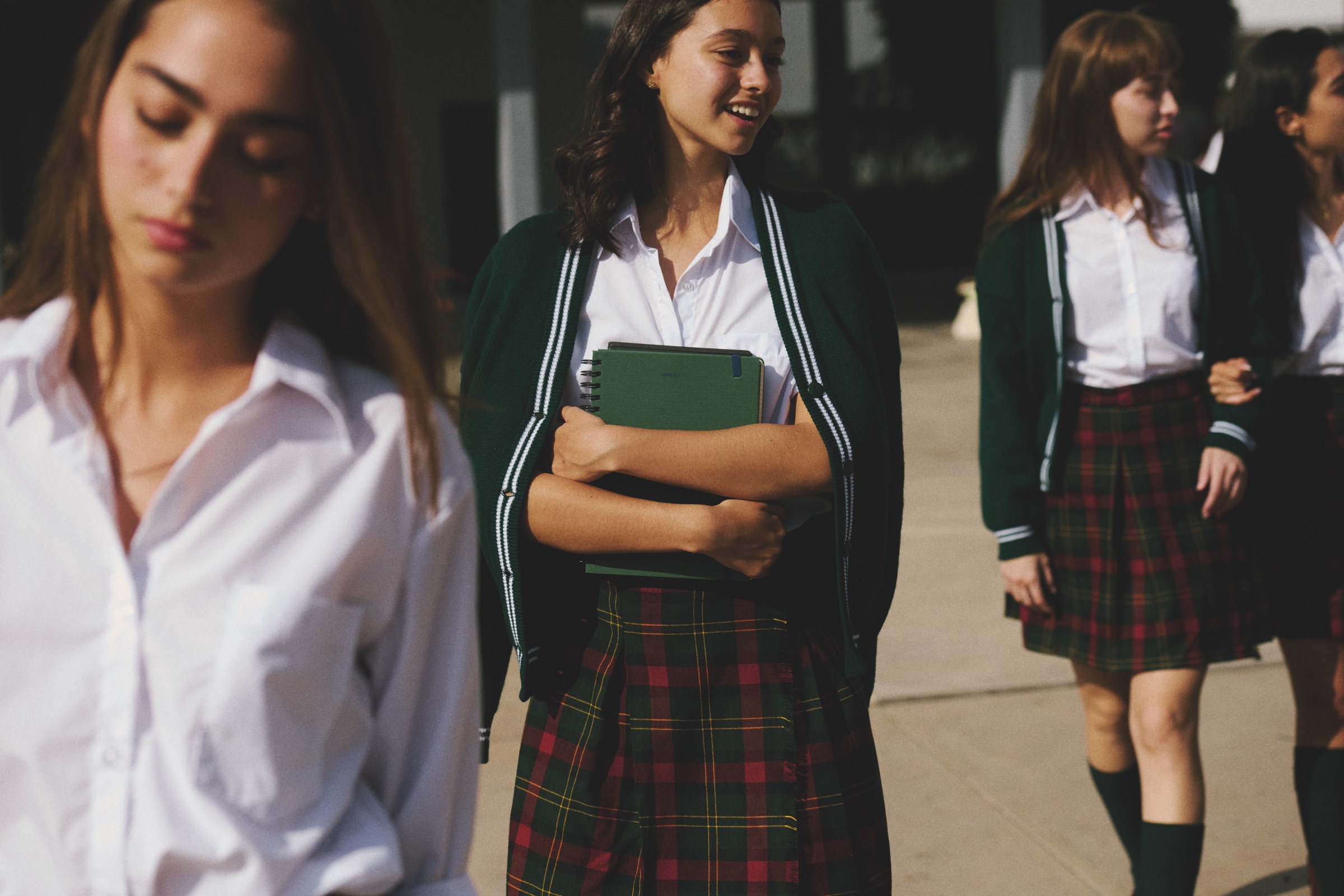
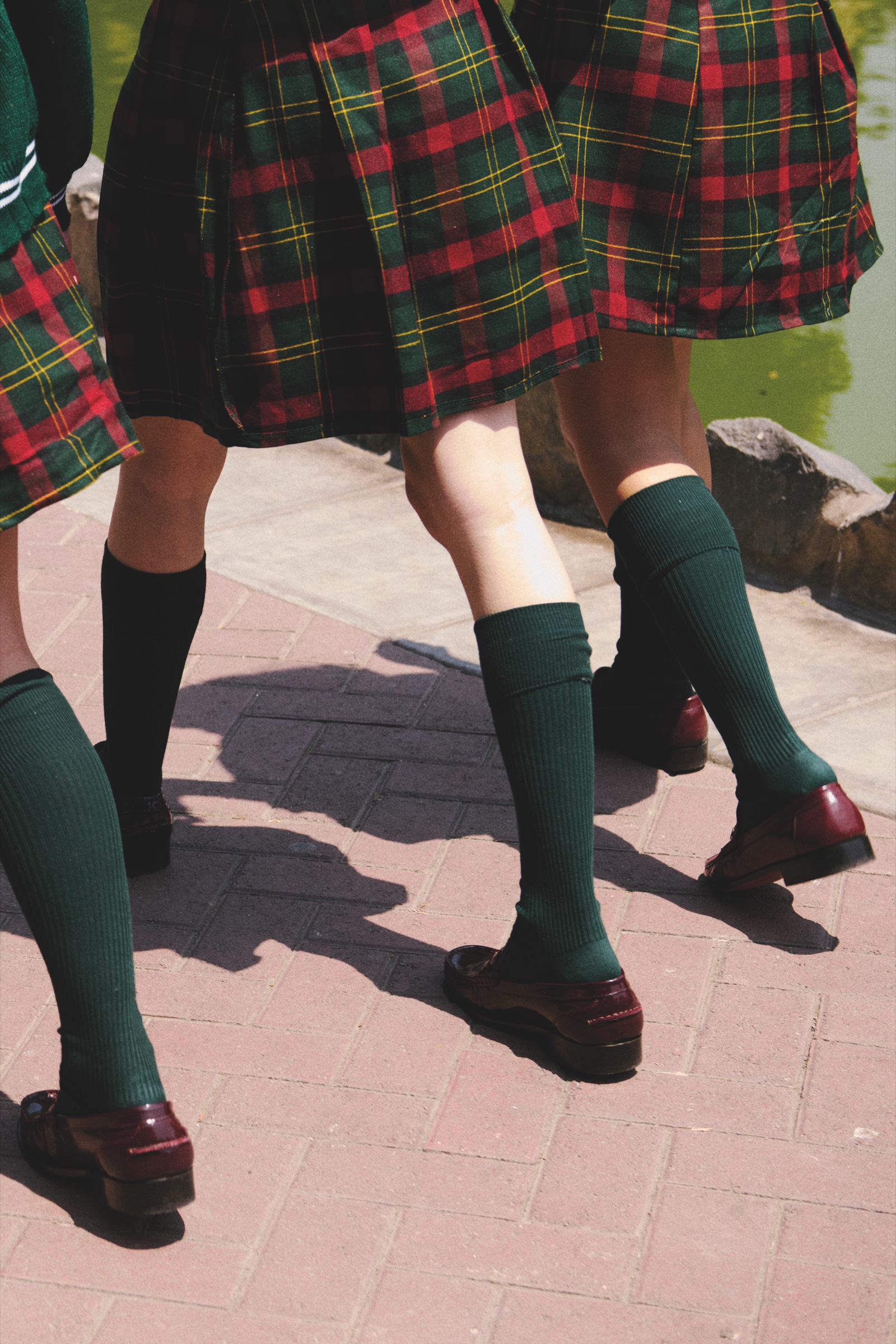
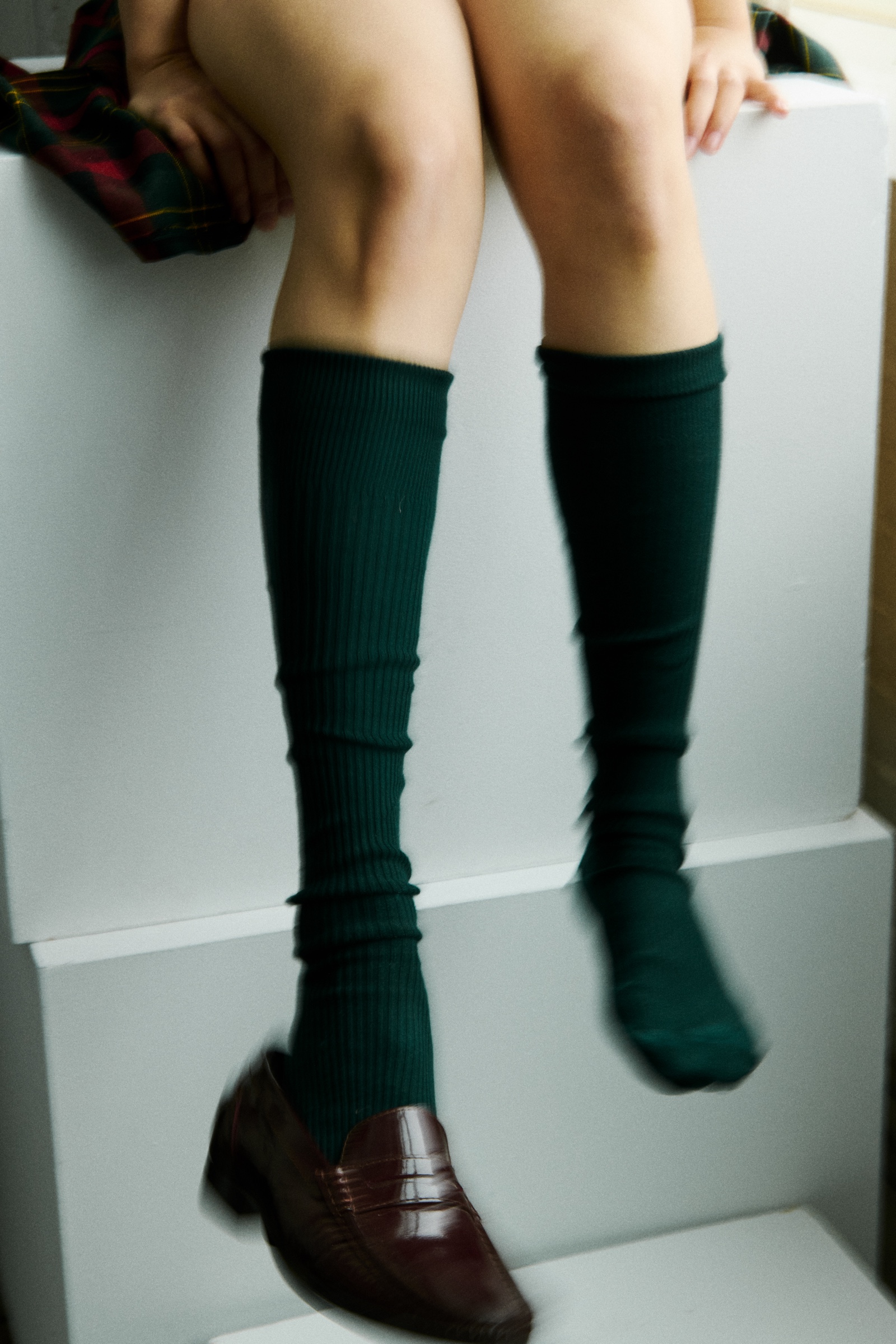
I wasn’t interested in documenting the present because that was never really the project. What interested me was returning to a period of my life that could only exist through memory. I’m much more interested in how I remember those years than in the facts themselves. Memory isn’t fixed. It changes over time. It leaves things out, combines different moments, exaggerates certain details, and quietly invents others. In that sense, memory is already a reconstruction, so it felt natural that the photographs should be reconstructed too. The scenes in Still Moving aren’t literal recreations of specific events.
Some are inspired by real moments, while others combine different memories or imagine details that were never there. Historical accuracy was never the goal. What mattered was emotional truth. I wanted the photographs to feel the way those years exist in my memory today, not the way a camera might have recorded them. Ultimately, I wasn’t trying to tell people about my childhood. I wanted to create enough space for them to remember their own.
If someone looks at these photographs and is reminded of a friendship, a place they left, or a feeling they thought they had forgotten, then the work has become something larger than my own story.
04
Why did you choose to reconstruct your memories with a new generation rather than the people who lived through them with you?
The people in Still Moving aren’t meant to portray specific individuals from my past. They’re not stand-ins for old friends or exact recreations of people I once knew. They’re closer to how memory works. When I began thinking about the people who populated those years of my life, I realized I wasn’t remembering them with perfect clarity. What stayed with me were certain gestures, personalities, relationships, and ways of being. Memory had transformed them into something more collective than individual. That realization shaped the entire casting process.
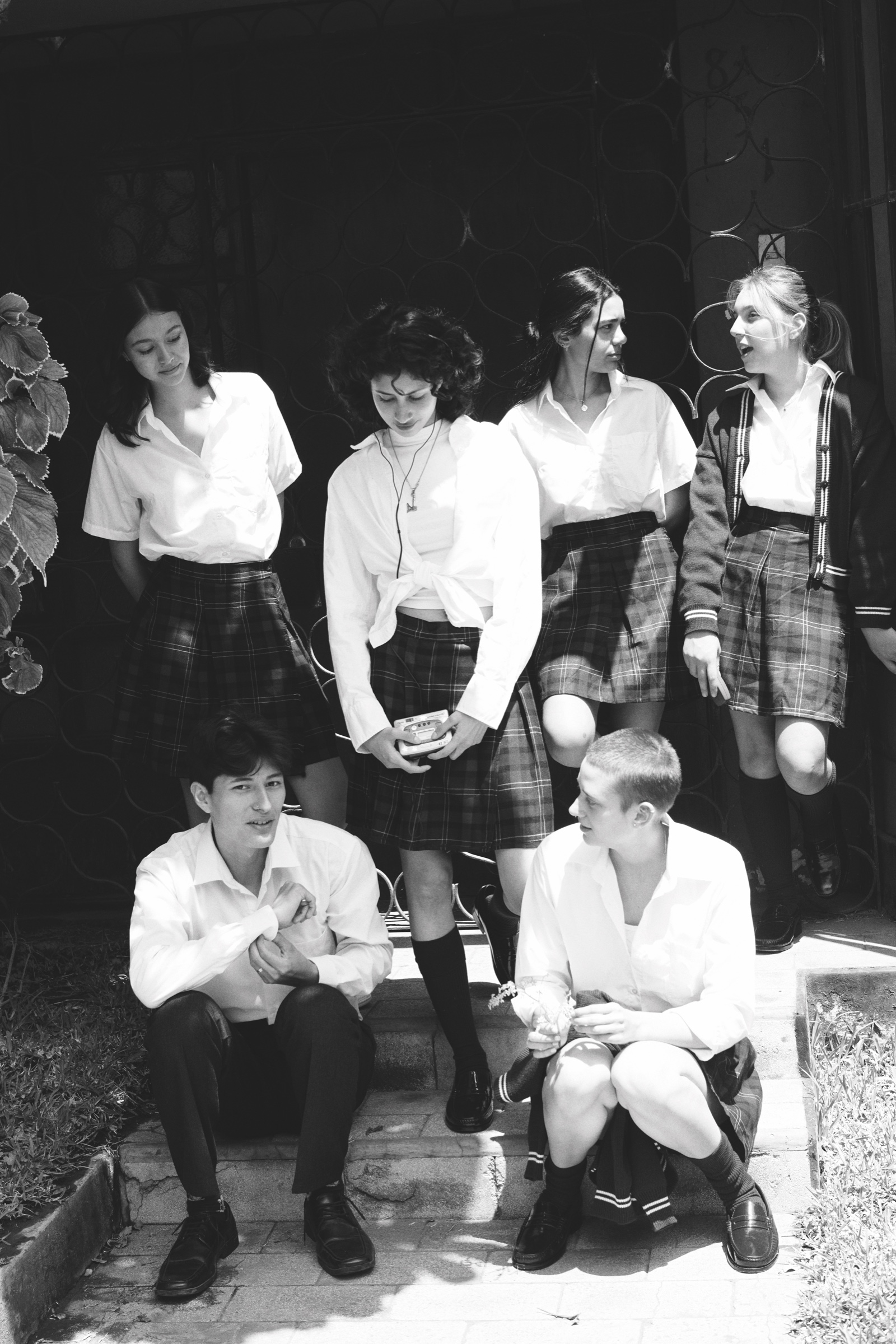
Over the course of several months, I photographed and met many young people, not because I was looking for someone who looked like a particular friend, but because I was searching for a certain presence. Sometimes it was a way of standing, a look, an attitude, or simply an energy that felt familiar. The casting became less about resemblance and more about finding people who could inhabit the emotional atmosphere of those memories. In the end, I wasn’t interested in asking them to become someone else. I wanted them to remain themselves while inhabiting a memory that no longer belonged to any one person.
I think that tension – between who they are and what they represent – is what gives the photographs their emotional space.
05
Is Still Moving autobiographical?
Yes and no. It begins with my own experience and with memories of growing up in Peru, so in that sense it is personal. But I was never interested in making a book that was only about me. As I worked on the project, I realized that the more specific I became about my own memories, the more they seemed to resonate with other people’s. Questions about memory, belonging, leaving home, and returning are experiences that many of us share, even if the places themselves are different. I think Still Moving begins as something autobiographical but hopefully becomes something collective.
If people leave the book thinking about their own lives rather than mine, then I feel it has done what I hoped it would do.
06
Your work often exists somewhere between documentary and fiction. Why is that space important to you?
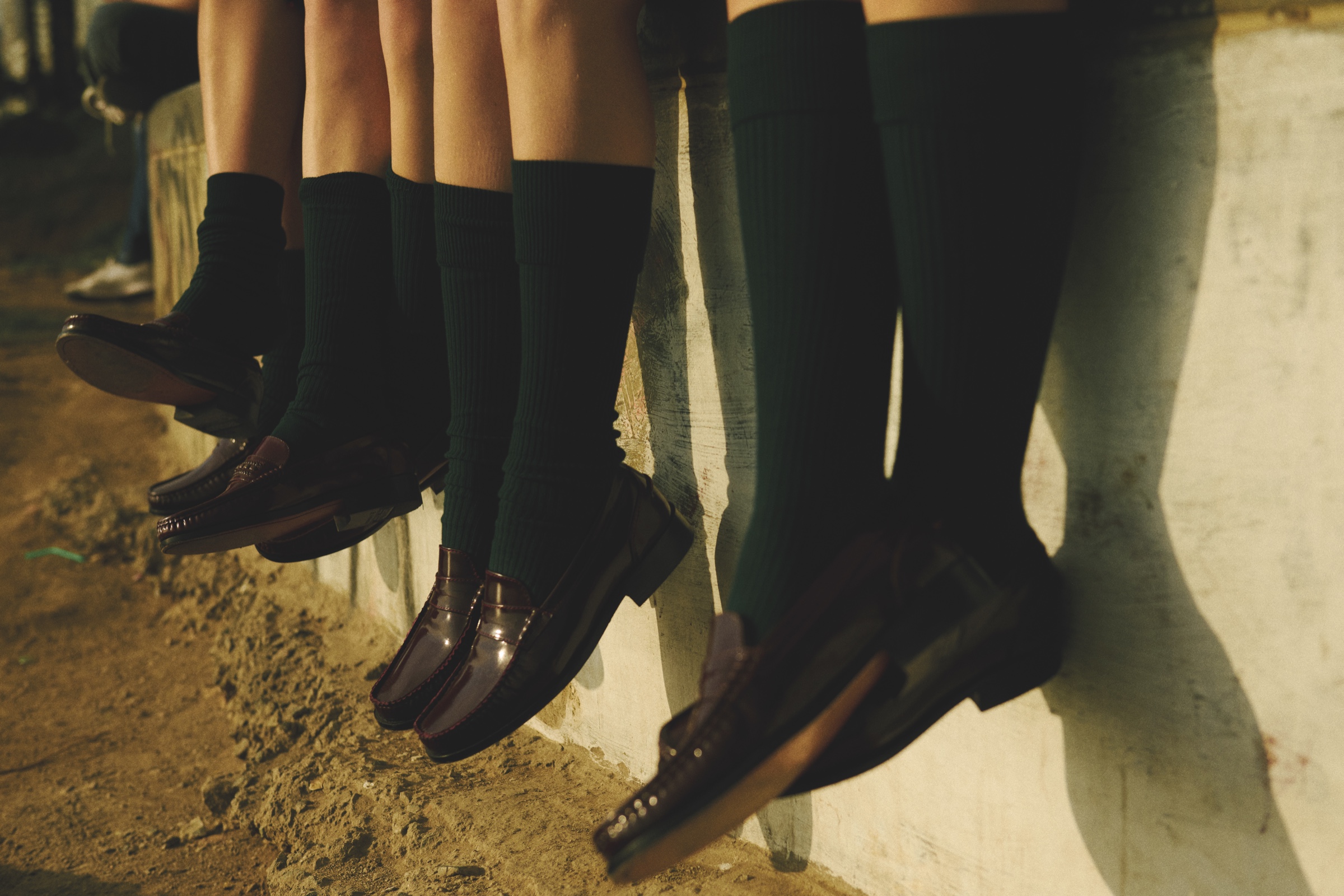
I’ve never been interested in separating documentary and fiction completely. I think the photographs exist because those two approaches meet. The documentary aspect comes from the way I work with people. I rarely ask someone to perform a fixed role or act out a script. Instead, I propose a situation, an action, or a direction, and then I let them respond to it in their own way. What happens in front of the camera belongs to them as much as it belongs to me. The fictional aspect comes from everything surrounding that moment – the setting, the construction of the image, and the memories that inspired it.
I’m not documenting reality exactly as it is, but neither am I inventing it entirely. I’m interested in the space where lived experience and imagination overlap. That’s where the photographs begin to feel emotionally true to me.
07
What does belonging mean to you today?
For a long time I thought belonging was tied to a place. After living away from Peru for so many years, I don’t think that’s true anymore. Today, belonging feels much more fluid. It can be a place, a memory, or something we briefly create together. More personally, it’s the moments where I feel comfortable being on my own and at peace. Those moments don’t necessarily belong to one country or one city. I think that’s also why my work keeps returning to this idea. I’m less interested in where home is than in how we carry it with us.
08
How did working on Still Moving change your relationship with Peru?
Making Still Moving didn’t feel like closing a chapter. If anything, it opened one. The project made me realize that there are still many stories I want to explore in Peru. It changed the way I look at the country and made me want to keep returning, not necessarily to document it, but to continue understanding my relationship with it. I don’t know exactly what those future projects will look like yet, but I know that Still Moving isn’t the end of that conversation. It feels like the beginning.
09
How did collaborating with Patrick Remy, Zoe Escoboza, and Direlia Lazo shape the book?
A photobook is always a collaborative process, and I was very fortunate to work with people whose perspectives I trust. Patrick Remy brought years of experience editing photography books. We had a very large body of work, and his guidance was invaluable in shaping the edit and finding the rhythm of the book. He constantly encouraged me to think beyond individual photographs and focus on how the images spoke to one another. Zoe Escoboza, part of Patrick’s design team, translated that edit into a book that feels quiet, balanced, and true to the work. Her sensitivity to pacing, typography, and space helped give the project its final form.
Direlia Lazo has been an essential collaborator throughout the development of the project. We’ve been in conversation for more than two years, and she has helped me clarify my ideas, challenge assumptions, and better understand the direction of my work. Her essay doesn’t simply accompany the photographs – it reflects many of the conversations that shaped the project from the beginning.
10
What do you hope readers take away from Still Moving?
I don’t expect people to remember my story. I hope they remember something about their own. The books and films that stay with me are the ones that create space for my own memories rather than explaining someone else’s. I’d love Still Moving to work in a similar way. If someone sees a photograph and is reminded of a friendship, a place they once lived, or a feeling they thought they had forgotten, then the work has done something meaningful. I hope the book becomes less about my past and more about the memories each reader brings to it.
11
What can photography do that memory alone cannot?
For me, photography gives memory a physical form. Memories are fragile – they change over time, they fade, they mix with other memories, and sometimes they disappear altogether. A photograph doesn’t stop that process, but it gives me something I can return to. I’ve always thought of photographs as little treasures. They become objects that carry experiences through time. Every time I look at one, I don’t simply remember what happened. I remember how it felt, and often I discover something new that I hadn’t noticed before. The photograph becomes another layer of the memory rather than a fixed record of it.
That’s probably why I’ve always been interested in making photographs. They allow me to revisit moments that would otherwise exist only in my imagination. They don’t preserve the past exactly as it was, but they create a place where memory and the present can continue to meet. In a way, I think that’s what I’ve been trying to do with Still Moving. Not preserve the past, but create a place I can return to – and perhaps one that others can return to as well. After all, you never return to the place you left, but sometimes a photograph can become the place where that conversation begins again.